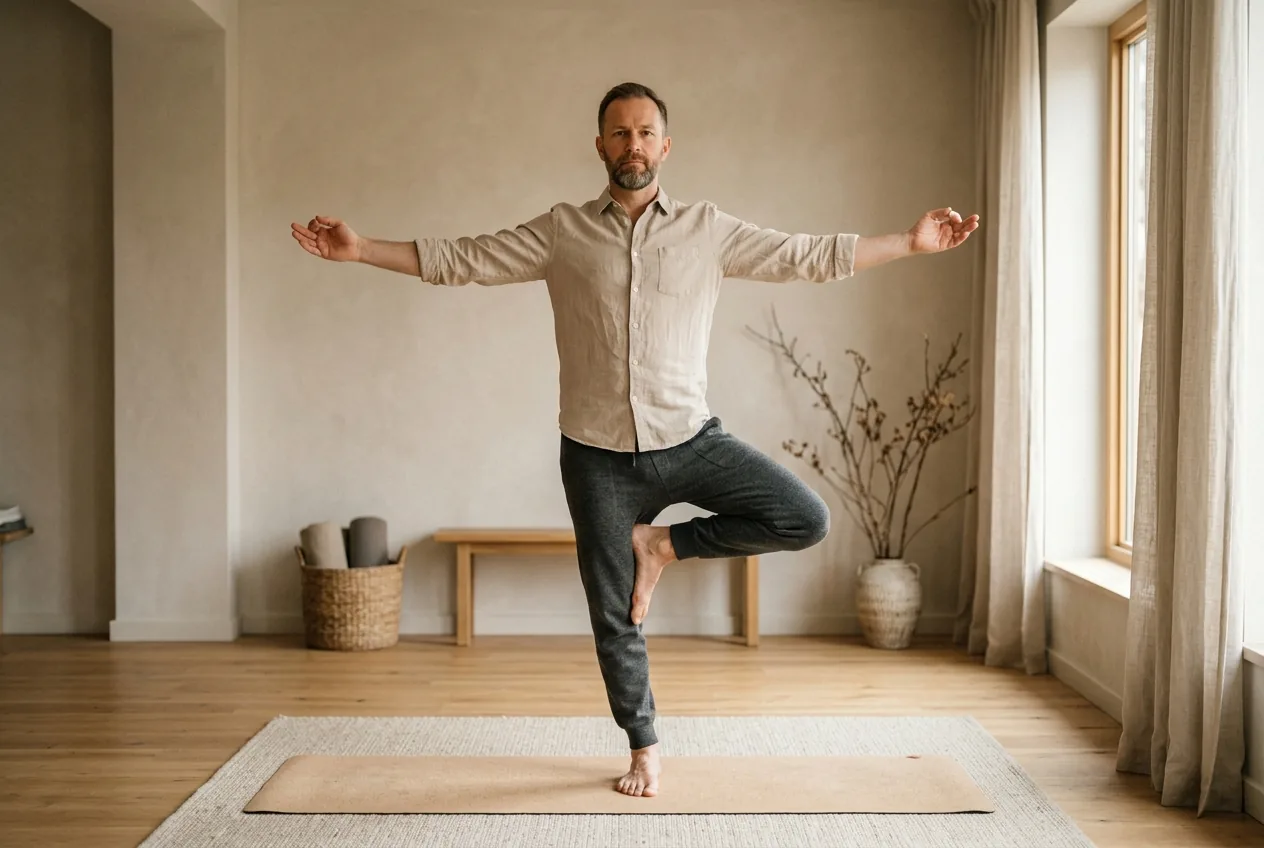
Dynamic back stretches before a workout are worth a few minutes because they engage the muscles, increase blood flow, and enhance flexibility. These movements prepare your body for the physical demands of exercise, reducing the risk of strains or injuries that can set back your fitness goals. While not all these stretches directly target the back, they work on the muscles that stabilize your spine, which matters for a safe and effective workout.
From our own quiz data: among 3,486 people who told us what sets their pain off, sitting was the single most common trigger at 35% — ahead of standing, bending, and lifting. If your back spends eight hours a day folded into a chair, the five minutes before a workout matter more than you think.
Top 5 Back Stretches Before Workout
1. Assisted Hip Lift
- How to Perform: Lie on your back with knees bent and feet flat on the floor. Lift your hips towards the ceiling while keeping your shoulders on the ground. Squeeze your glutes at the top, then lower your hips back down.
- Benefits: Activates the glutes and lower back, promoting stability and reducing lower back tension.
2. Child's Pose
- How to Perform: Start on your hands and knees. Sit back onto your heels, extend your arms forward, and lower your forehead to the floor. Hold for a few seconds, then return to the starting position.
- Benefits: Stretches the lower back and hips, enhancing flexibility and easing tightness.
3. Frog
- How to Perform: Lay down on your back. Bend your knees and connect the soles of your feet. Let your knees drop down. Relax.
- Benefits: Opens up the hips and groin while also relieving tension in the lower back.
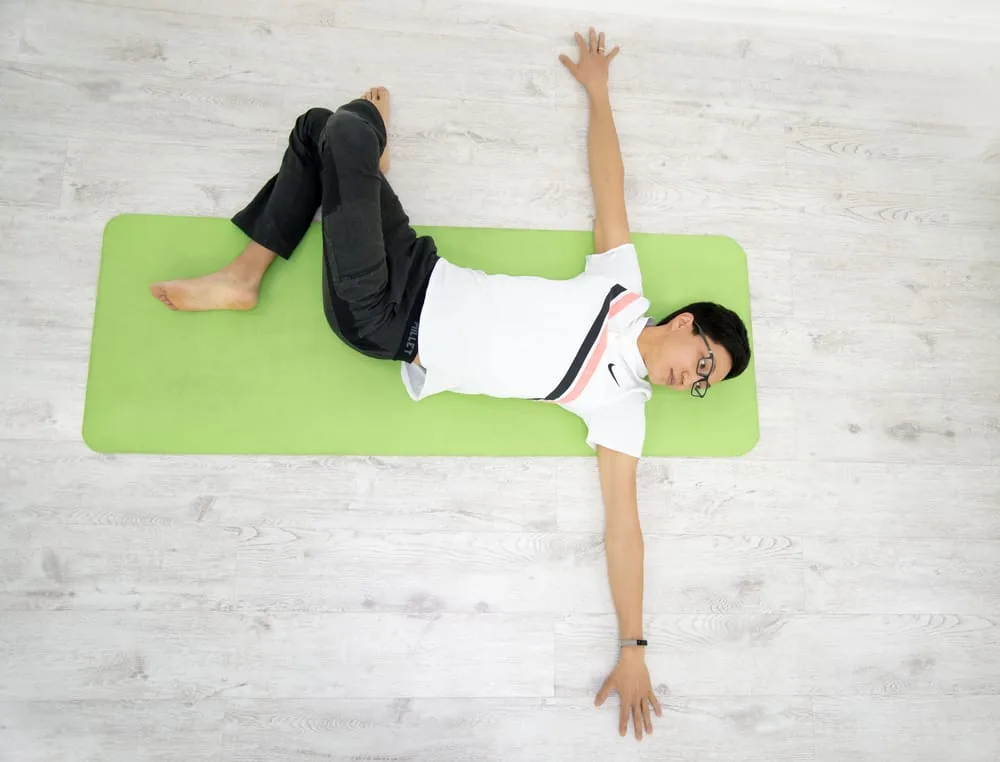
4. Hip Crossover Stretch
- How to Perform: Lie on your back with arms extended out. Cross one leg over the other, allowing the knee to drop towards the floor, twisting your lower body while keeping shoulders flat. Hold, then switch sides.
- Benefits: Improves lower spine mobility and alleviates lower back stiffness.
5. Cats and Dogs
- How to Perform: Start on your hands and knees. Inhale as you arch your back (Cat Pose), then exhale as you round it (Dog Pose). Move between these positions with fluidity.
- Benefits: Enhances spinal flexibility and warms up the back muscles effectively.
The Importance of Activating Spine-Stabilizing Muscles
While these exercises don't all stretch your back directly, they are crucial for activating the muscles that stabilize your spine. Engaging these muscles before a workout ensures that your spine is properly supported, reducing the risk of injury and allowing you to perform exercises more safely and effectively. Turning on these stabilizing muscles prepares your body for the demands of your workout, making these stretches an essential part of your pre-exercise routine.
How to Integrate Back Stretches Into Your Workout Routine
Incorporate these back stretches before every workout session, dedicating about 5-10 minutes to ensure your back muscles are fully prepared. Consistently performing these stretches can significantly reduce the risk of injury and enhance your overall workout performance. If your back tends to feel stiff first thing, the same ideas carry over to morning stretches for back pain.
By focusing on dynamic stretching as part of your warm-up, you'll not only protect your back but also improve your flexibility, mobility, and readiness for any physical activity. Tight hips are a common limiter here, so adding a hip flexor stretch for back pain often makes the rest of the warm-up more effective. It's also worth knowing which moves to leave out — see these exercises to avoid with lower back pain. Make these stretches a regular part of your pre-workout routine to keep your back healthy and strong.
What I see in practice
The mistake I see most often isn't skipping the warm-up — it's stretching the wrong tissue. When a muscle feels tight, it's usually tight because it's stabilizing a frame that's out of position; yank on it without addressing the position and it clamps back down by the next morning. That's why these five moves target position first and flexibility second. If one side always feels tighter than the other, don't push through it — that asymmetry is information, and it's worth two minutes with a posture check to find out what it's telling you.
Common questions
Should you stretch your back before or after a workout?
Both have a place, but they do different jobs. Before a workout, gentle dynamic movements like the ones above warm the muscles and get your spine moving through its range. Longer, held stretches are usually better saved for after, when the tissue is warm and you're winding down. Stretching cold muscles hard before lifting can do more harm than good.
Are static or dynamic stretches better before a workout?
Dynamic stretches — controlled movements that take a joint through its range — are generally the better fit before exercise. They prepare the muscles to work without dialing down their power the way long held stretches can. Save the deep, sustained holds for your cool-down.
How long should a pre-workout back warm-up take?
About 5 to 10 minutes is plenty for most people. The goal is to feel looser and more mobile, not exhausted. If a particular stretch sharpens your pain rather than easing tightness, skip it and have it looked at.
When should I see a doctor instead of stretching?
If you have back pain that's severe, steadily worsening, or that started after a fall or injury — or numbness, tingling, or weakness running into a leg, or any loss of bladder or bowel control — stop and see a clinician before working out. A warm-up isn't the right tool for those signs.